



How to Identify High-Quality AC Filters for Maximum Efficiency?
A car’s AC system is more than just a convenience—it keeps you comfortable, protects the interior, and ensures proper air quality inside the cabin. One of the most overlooked components of an efficient AC system is the AC filter. Using a low-quality filter can reduce airflow, strain the AC system, and allow dust and pollutants to enter your car.
Why AC Filters Matter?
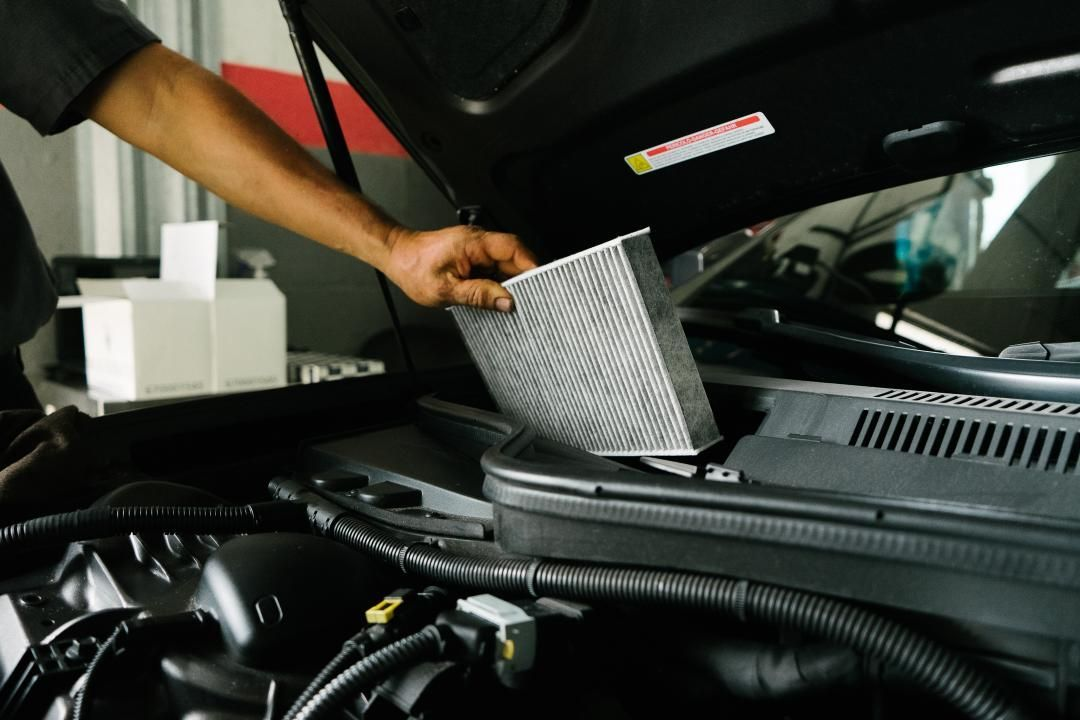
AC filters play a crucial role in keeping your vehicle’s air clean and the AC system running smoothly. They trap dust, pollen, and other airborne particles before they enter your car’s cabin. A clogged or low-quality filter not only reduces AC efficiency but also puts extra pressure on the compressor and fan, which can lead to higher energy consumption and premature wear.
In addition, a clean, high-quality filter improves air quality in vehicles, ensuring a healthy environment, especially for passengers with allergies or respiratory issues. Choosing the right filter is a small step that has a big impact on AC system performance.
Types of AC Filters:
Before identifying high-quality filters, it’s important to understand the types of filters available. Choosing a high-quality filter means selecting the type that matches your vehicle’s AC system and driving conditions. Some of the available filters are:
- Paper or Cellulose Filters – These are standard filters that capture larger particles. They are inexpensive but may clog faster and need frequent replacement.
- Activated Carbon Filters – These filters remove odors and some harmful gases in addition to dust and pollen. They are ideal for city drivers exposed to pollution.
- HEPA Filters – High-Efficiency Particulate Air (HEPA) filters can capture even microscopic particles, offering the best air quality. They are slightly more expensive but highly effective.
Signs of a High-Quality AC Filter:
1. Look for Multi-Layer Filtration – High-quality filters often have multiple layers designed to trap particles of different sizes. For example, one layer may catch large dust, another captures pollen, and a third absorbs odors. Multi-layer filters improve AC efficiency and extend the life of your AC system.
2. Check Material Quality – The filter material should be sturdy and dense enough to trap particles without restricting airflow. Cheap filters often have thin or loosely packed materials that reduce effectiveness. High-quality filters ensure both air quality in vehicles and smooth airflow.
3. Verify Compatibility – Not all filters fit every car model. Always check your car’s manual or take consultation to ensure proper fit. A poorly fitting filter can allow unfiltered air to bypass the system, reducing AC system performance.
4. Look for Certifications – Some filters are certified by automotive or environmental authorities for efficiency and safety. Certifications indicate that the filter has passed quality tests and meets industry standards.
Maintenance Tips for Maximum Efficiency:
Even a high-quality filter would not work well if it is neglected. Here is how to maintain AC filters for optimal performance:
- Replace filters every 10,000 to 15,000 km, or according to the manufacturer’s recommendations.
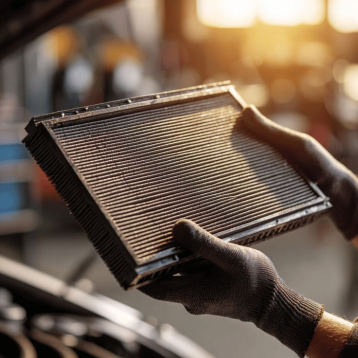
- Inspect the filter every few months. If it looks dirty or clogged, replace it immediately.
- Filters from trusted manufacturers are tested for durability and efficiency.
Benefits of High-Quality AC Filters:
Using a high-quality AC filter brings several benefits:
- Improved Airflow – Reduces strain on the AC compressor and improves cooling performance.
- Better Air Quality – Removes dust, allergens, and odors for a healthier cabin environment.
- Extended AC System Life – Protects the system from dust and debris, reducing maintenance costs.
- Energy Efficiency – Helps the AC system work more efficiently, saving fuel or battery life in electric vehicles.
Takeaway:
Your car’s AC system deserves more than just occasional attention. The right AC filter is a small investment that delivers comfort, protection, and efficiency. By choosing high-quality AC filters, checking for multi-layer filtration, using durable materials, and following proper maintenance, you can maximize the performance and lifespan of your vehicle’s AC system.
